EmbeddingGemma 2: an open, lightweight multimodal embedding model
deepmind.google·6d ago
TL;DR
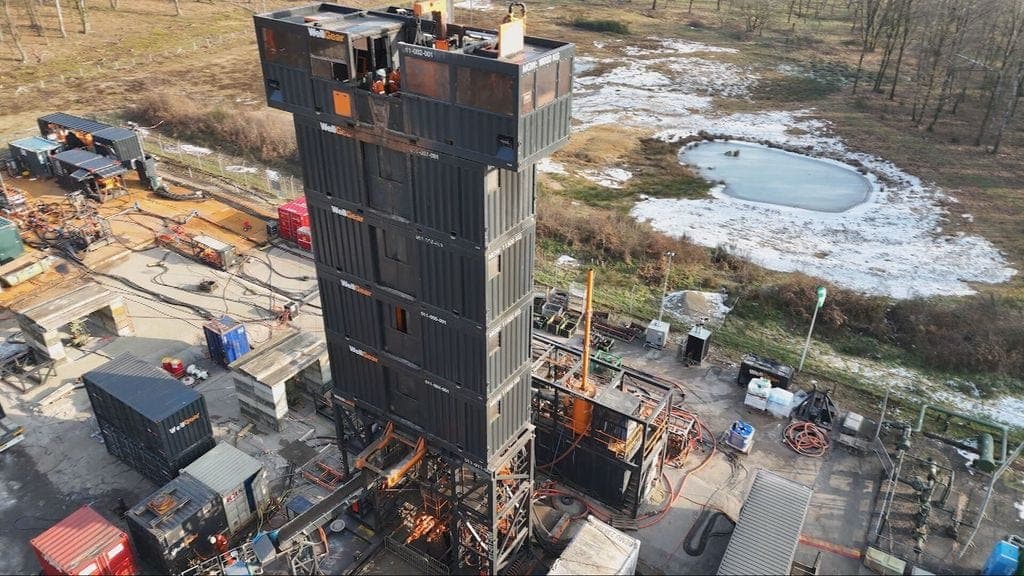
The Dutch government is sealing inactive gas wells in Groningen with cement to prevent future gas production, despite the region's significant remaining reserves. This decision reflects a broader trend of energy policy shifts in Europe, similar to Germany's nuclear phase-out.
✦ Why It Matters
Evaluate your own energy policies and consider the long-term implications of resource management decisions.
Key Takeaways
Full Summary
Groningen, home to Europe's largest gas field, has produced 2.2 trillion cubic meters of gas since its discovery in 1959, generating substantial revenue for the Dutch treasury. However, gas extraction has caused minor earthquakes, leading to local opposition and a government promise to cease production by 2023.
In 2023, the government began filling the wells with cement, a move criticized by experts who argue that mothballing would preserve future options. The Groningen field still holds 500 billion cubic meters of gas, valued at €200 billion, which could significantly aid the Netherlands and Europe.
This decision reflects a broader trend of governments limiting future options in response to concentrated local opposition, raising concerns about the long-term implications for energy policy and flexibility.
Related