EmbeddingGemma 2: an open, lightweight multimodal embedding model
deepmind.google·6d ago
TL;DR
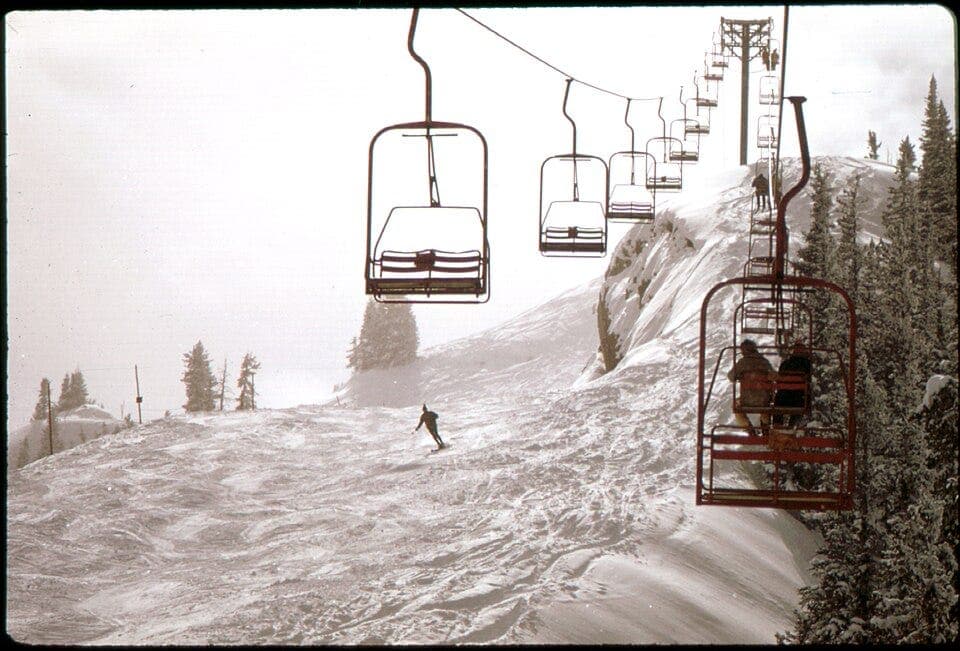
In the 1970s, ski resorts like Aspen had to seek federal approval from the US Forest Service to raise lift ticket prices, reflecting a unique regulatory environment. This system ensured that price increases were moderated and involved community input.
✦ Why It Matters
Consider how regulatory frameworks impact pricing strategies in your industry today.
Key Takeaways
Full Summary
In the 1970s, ski resorts like Aspen Skiing Company needed permission from the US Forest Service to raise lift ticket prices, reflecting a regulatory framework aimed at keeping skiing affordable on public lands. However, as deregulation took hold, particularly under President Jimmy Carter, the Forest Service's oversight weakened, allowing prices to soar.
For instance, a lift ticket that cost $11 in 1975 would equate to about $66 today, yet current prices exceed $250. The consolidation of the ski industry has led to a duopoly, with Vail Resorts and Alterra Mountain Company dominating the market.
Despite retaining regulatory authority, the Forest Service has not exercised its power to control prices, resulting in rising costs and labor disputes. This shift raises questions about the balance between private profit and public access to recreational resources.
Related