EmbeddingGemma 2: an open, lightweight multimodal embedding model
deepmind.google·6d ago
TL;DR
The New Economies for Ending Poverty (NEEP) roadmap advocates for degrowth policies funded by wealthy heirs, raising concerns about their motivations and economic understanding. Their proposed measures, including income caps and resource limits, have sparked significant backlash from economists.
✦ Why It Matters
Evaluate the motivations behind funding sources in economic policy discussions to ensure genuine advocacy.
Key Takeaways
Full Summary
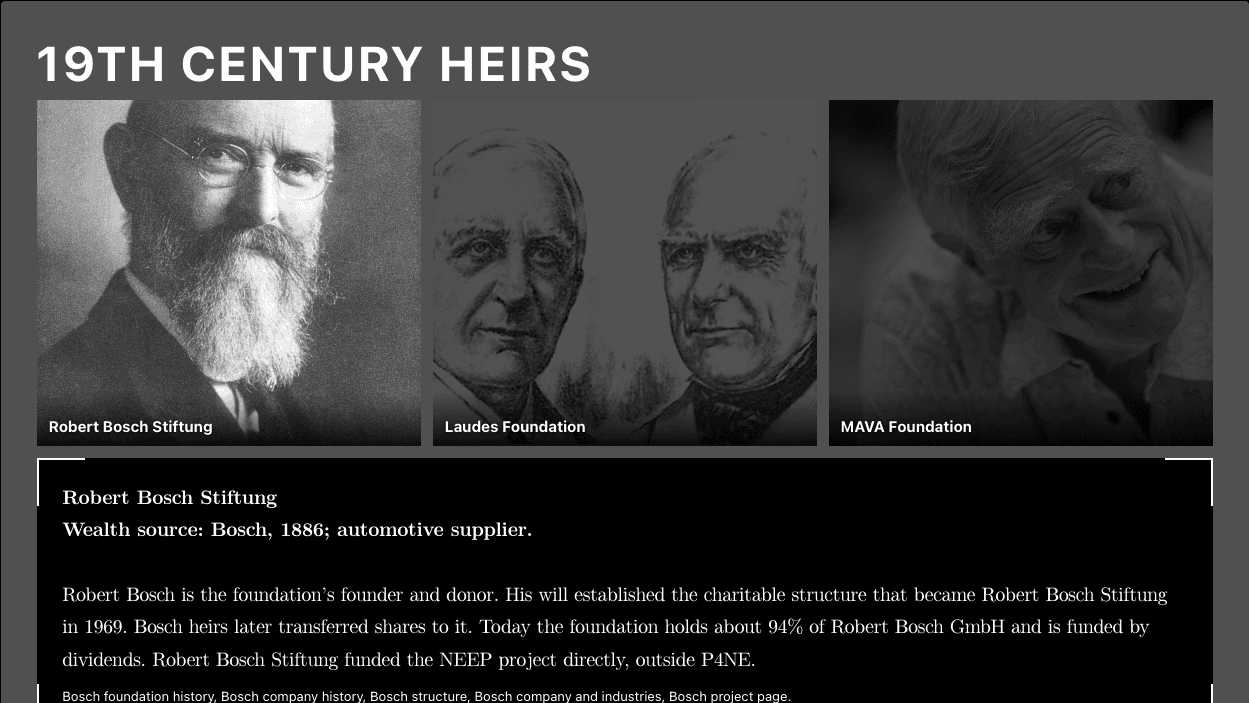
NEEP's roadmap promotes a degrowth agenda aimed at reducing economic production to redistribute wealth and lessen resource consumption. Funded primarily by heirs of 19th and 20th-century fortunes, the initiative's financial backing raises questions about its authenticity and alignment with the struggles of the economically disadvantaged.
NEEP has proposed 80 policy measures, including maximum income limits and job guarantees, which have faced backlash from economists who claim the authors misrepresent economic realities. The funding structure is complex, with donations obscured through Swiss bank accounts, making it difficult to trace the full extent of financial support.
Despite the rhetoric of justice and equality, the movement is largely supported by those who are financially secure, leading to skepticism about its genuine commitment to addressing poverty.
Related