cline / cline
github.com·3d ago
TL;DR
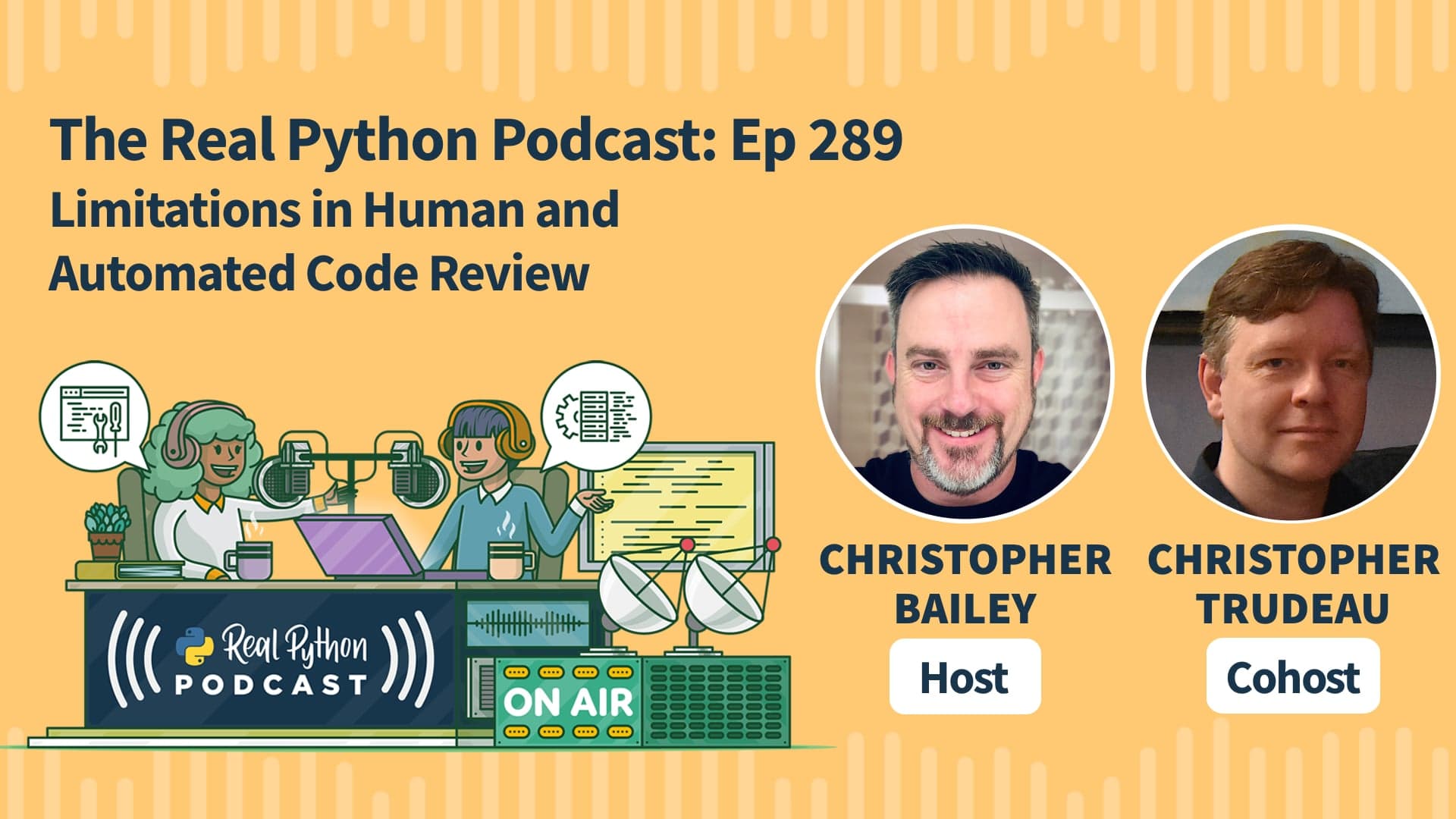
Code review—the process where developers examine each other's code changes—faces scaling challenges as Python code generation accelerates. The podcast explores limitations of human reviewers (time, consistency, oversight) versus strengths of automated tools (speed, pattern detection).
✦ Why It Matters
Engineers can design review workflows that pair automated tools for scalability with human judgment for architectural decisions, improving both speed and code quality.
Key Takeaways
Full Summary
In this episode, Christopher Trudeau explores the evolving landscape of code review, particularly in the context of the increasing volume of Python code generated by large language models (LLMs). The discussion centers on a recent article by Glyph, which outlines the primary purposes of code reviews and the inherent limitations of human reviewers, such as fatigue and oversight.
Automated tools like linters and formatters can help catch certain types of errors, but they cannot replace the nuanced understanding that human reviewers bring. The episode also covers various Python community projects and tools, including an open-source inventory management system and techniques for creating publication-ready tables from DataFrames.
By understanding the strengths and weaknesses of both human and automated reviews, developers can better navigate the complexities of modern codebases.