EmbeddingGemma 2: an open, lightweight multimodal embedding model
deepmind.google·6d ago
TL;DR
A study assessed the risk of glacial lake outburst floods (GLOFs) in a transboundary Himalayan basin, revealing that future lakes could pose significantly greater threats than current ones. Warning times for affected areas are alarmingly short, necessitating improved disaster risk management strategies.
✦ Why It Matters
Implement early warning systems and land use planning to mitigate GLOF risks in vulnerable regions today.
Key Takeaways
Full Summary
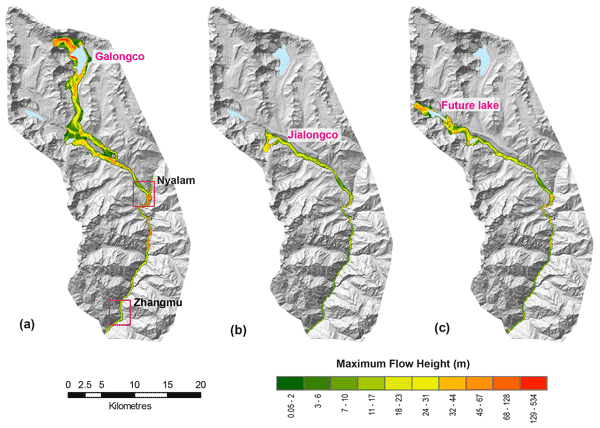
Glacial lake outburst floods (GLOFs) pose a serious threat in High Mountain Asia, particularly in transboundary Himalayan basins where new lakes are forming due to climate change. This study focused on two dangerous lakes, Galongco and Jialongco, and simulated worst-case outburst events to assess their potential impacts on downstream areas, including Nyalam and the Nepal border.
Using the r.avaflow simulation tool, researchers found that large rock or ice avalanches could trigger GLOFs with discharges over 15 times greater than previously recorded. Warning times for affected areas would be alarmingly short, ranging from 5 to 30 minutes.
The study highlights the inadequacy of recent remedial measures and calls for a comprehensive disaster risk management approach that includes early warning systems and effective land use planning to mitigate future risks.
Related